Cervical Cancer Prevention and Screening

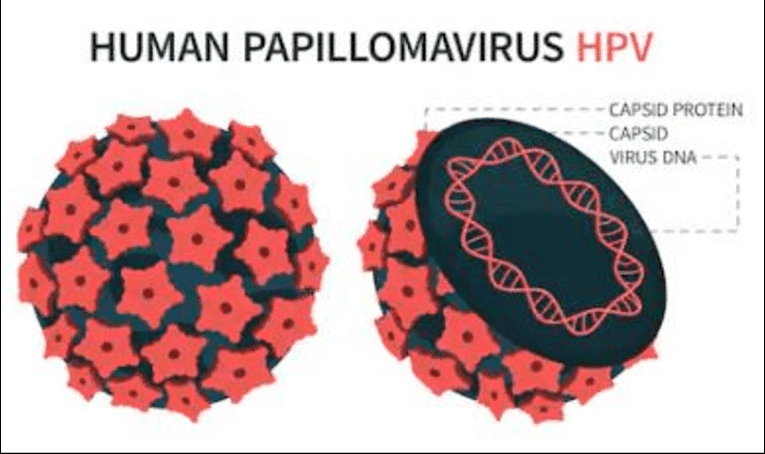
The internal and external structure of human papillomavirus HPV. An
Cervical cancer is a type of cancer that starts in the cervix, the lower part of the uterus that connects to the vagina. It’s one of the most common cancers in women worldwide, but the good news is that it can often be prevented or found early through simple steps like vaccination and regular check-ups. This article explains what cervical cancer is, its causes, how to prevent it, and why screening is so important—all in easy-to-understand language.
What Is Cervical Cancer?
The cervix is like a doorway between the uterus and the vagina. Cervical cancer happens when cells in the cervix grow out of control. It usually develops slowly over many years, starting as pre-cancer changes that can be treated before they become cancer. If not caught early, it can spread to other parts of the body.
Globally, there were around 660,000 new cases of cervical cancer and 350,000 deaths in 2022. In the United States, about 13,000 women are diagnosed each year, and around 4,000 die from it. But with prevention and screening, many of these cases could be avoided.
What Causes Cervical Cancer?
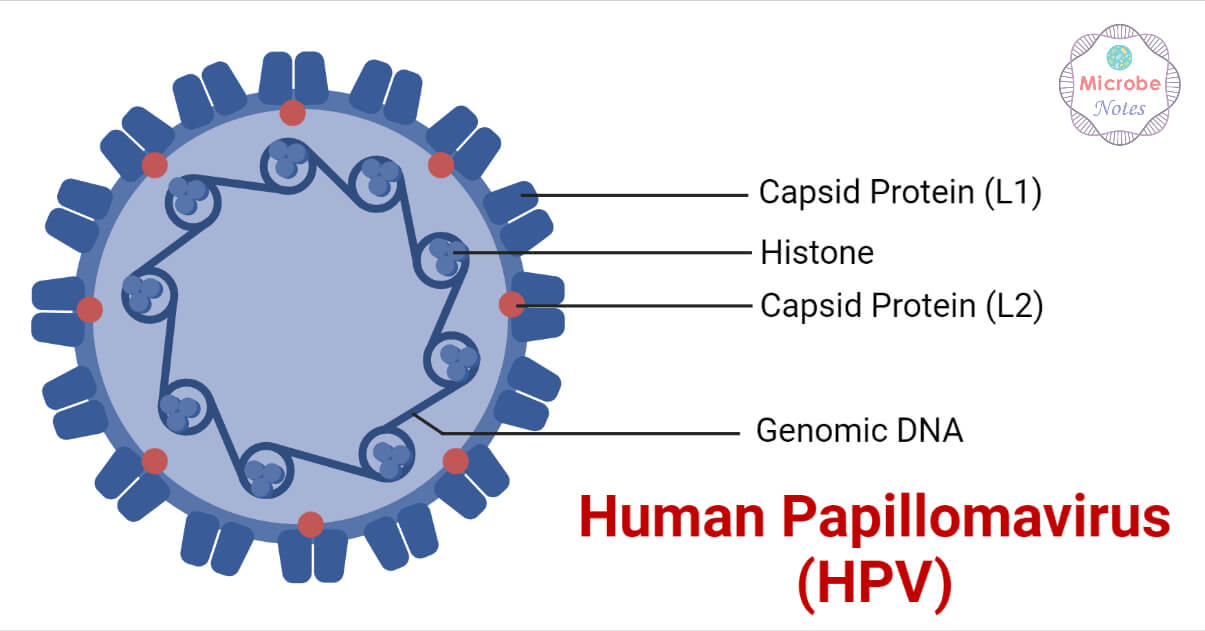
Human Papillomavirus (HPV)- An Overview
Most cervical cancers are caused by a virus called human papillomavirus, or HPV. HPV is very common and spreads through sexual contact. There are many types of HPV, but high-risk ones like HPV 16 and 18 cause about 70% of cervical cancers. Nearly everyone who is sexually active will get HPV at some point, but the body usually clears it on its own. When it doesn’t, it can lead to cell changes that turn into cancer over time.
Other things that increase your risk include:
- Smoking: It makes it harder for the body to fight HPV.
- Having many sexual partners or starting sex at a young age.
- A weakened immune system, like from HIV or certain medicines.
- Not getting the HPV vaccine.
Signs and Symptoms to Watch For
Early cervical cancer often has no symptoms, which is why screening is key. As it grows, you might notice:
- Unusual bleeding, like between periods, after sex, or after menopause.
- Watery or smelly vaginal discharge.
- Pain during sex or in the pelvis.
- Bleeding after douching or a pelvic exam.
If you have any of these, see a doctor right away. They could be signs of other issues, but it’s better to check.
How to Prevent Cervical Cancer
HPV Vaccine: Age, Schedule, Importance & Side Effects
Prevention starts with protecting against HPV. Here’s what you can do:
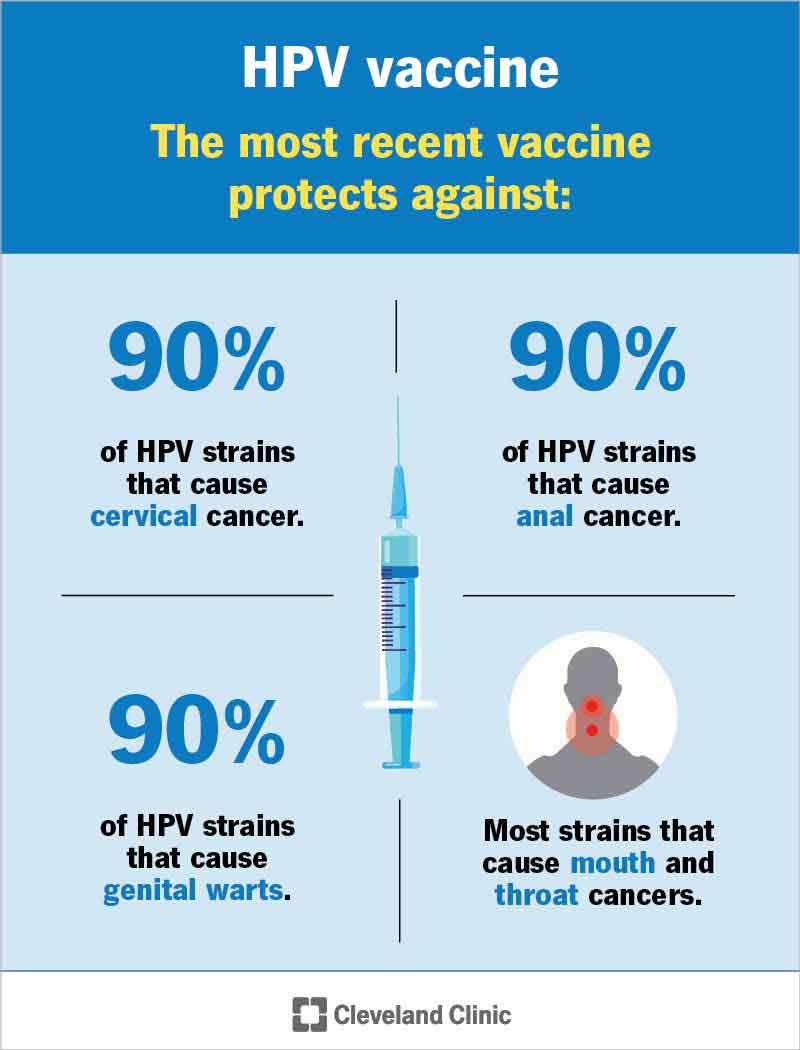
- Get the HPV Vaccine: This is the best way to prevent HPV infections that cause cervical cancer. It’s recommended for boys and girls starting at ages 9 to 12, but can be given up to age 26. In some cases, adults up to 45 can get it too. The vaccine protects against the most dangerous HPV types and can prevent up to 90% of cervical cancers. It’s given in 2 or 3 doses, depending on age.
- Practice Safe Sex: Use condoms every time to lower the risk of HPV and other infections. Limit the number of sexual partners.
- Don’t Smoke: Quitting smoking reduces your risk and helps your body clear HPV faster.
- Stay Healthy: A strong immune system from good diet, exercise, and managing conditions like HIV helps fight infections.
Screening: Finding It Early
Definition of Pap smear – NCI Dictionary of Cancer Terms – NCI
Screening tests find pre-cancer changes or cancer early, when it’s easiest to treat. There are two main tests:
- Pap Test (Pap Smear): Checks for abnormal cells in the cervix. A doctor collects cells with a small brush during a quick exam.
- HPV Test: Looks for the virus itself. Often done with the Pap test (co-testing).
Guidelines vary slightly, but here’s a common plan:
- Start at age 21 to 25.
- Ages 21-29: Pap test every 3 years.
- Ages 30-65: HPV test every 5 years, or co-testing every 5 years, or Pap every 3 years.
- After 65: Stop if tests have been normal, unless you’re at high risk.
Screening is usually free or low-cost through programs like those from the CDC. Talk to your doctor about what’s right for you.
If a test is abnormal, you might need more checks like a colposcopy (looking at the cervix with a special tool) or a biopsy.
When to See a Doctor
Go for regular screenings as recommended. See a doctor sooner if you have symptoms or risks. Early detection saves lives—cervical cancer is highly treatable when found early.
Final Thoughts
Cervical cancer doesn’t have to be a threat. With the HPV vaccine, safe habits, and regular screening, you can protect yourself and your loved ones. Spread the word to friends and family. If you’re due for a check-up or vaccine, make an appointment today. Your health is worth it!
Discover more from Rawallian Community CareConnect
Subscribe to get the latest posts sent to your email.