Bone Health and Osteoporosis Prevention
Normal
Your bones are like the framework of a house—they support your body, protect your organs, and help you move. Good bone health means your bones stay strong and dense. But as we age, bones can weaken, leading to a condition called osteoporosis. This makes bones fragile and more likely to break from a simple fall or bump. The good news? You can take steps at any age to build and keep healthy bones. This article explains bone health, what osteoporosis is, and simple ways to prevent it.
What Is Osteoporosis?
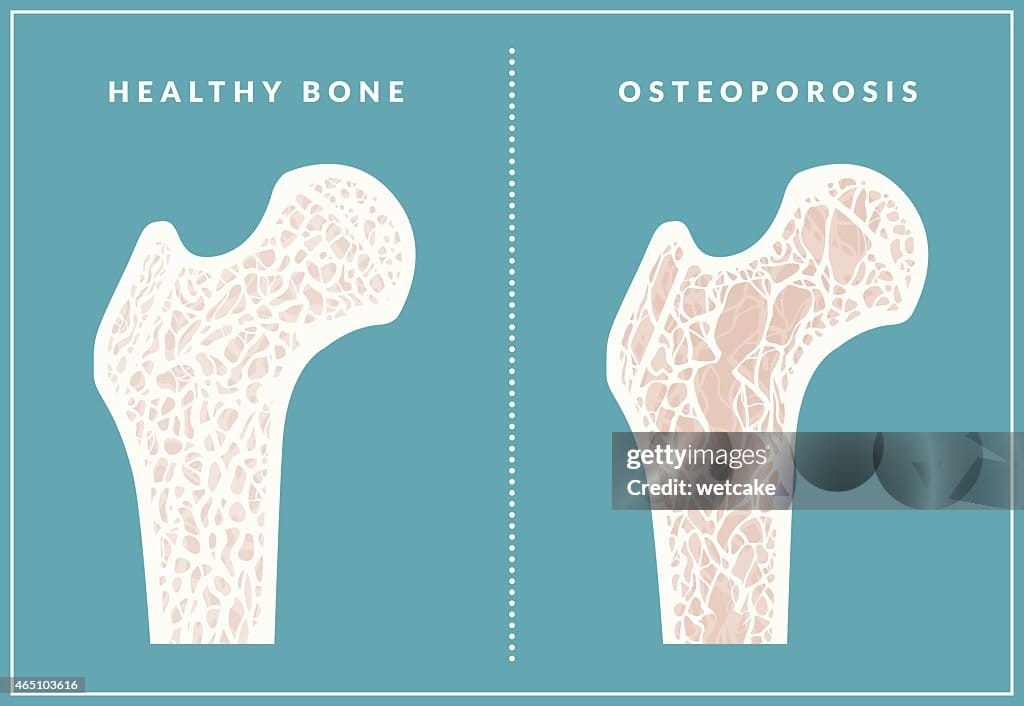
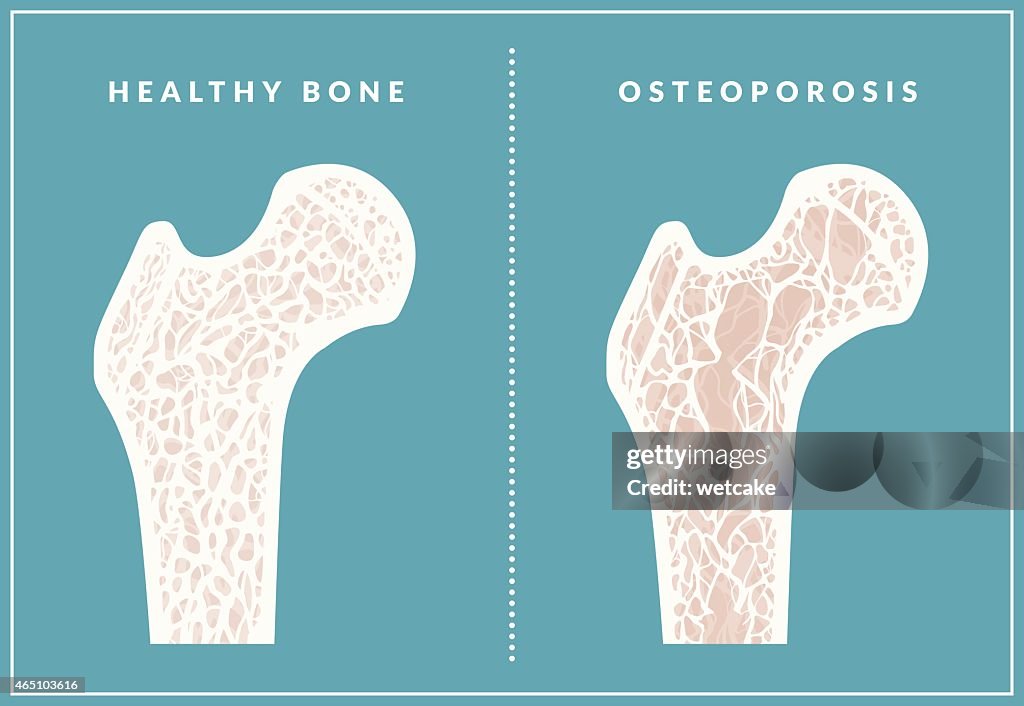
Osteoporosis is a disease where bones lose density and become thin and porous, like a sponge with big holes. Healthy bones are dense and strong, like a solid rock. In osteoporosis, bones break easily, often in the hip, spine, or wrist. It’s called a “silent disease” because you might not notice it until a bone breaks. About 54 million Americans have osteoporosis or low bone density. Women are at higher risk, especially after menopause, when bone loss speeds up due to lower estrogen levels. Men can get it too, but it usually starts later.
Bone building starts in childhood. By age 18 for girls and 20 for boys, you’ve built 90% of your peak bone mass. Peak bone mass happens around age 30, then bones slowly lose strength. Preventing osteoporosis means building strong bones early and slowing loss later.
Who Is at Risk?
Some things you can’t change increase your risk:
- Age: Bone loss starts in your 30s and speeds up after 50.
- Gender: Women lose bone faster after menopause. Half of women over 50 will break a bone due to osteoporosis.
- Family History: If a parent had osteoporosis or broke a hip, your risk is higher.
- Body Type: Being very thin (BMI under 19) or small-framed.
Other risks come from lifestyle:
- Not enough calcium or vitamin D.
- Little exercise.
- Smoking: It harms bone building.
- Too much alcohol: More than 14 units a week.
- Some medicines or health issues, like rheumatoid arthritis or long-term steroid use.
If you’re at risk, talk to your doctor about a bone density test called a DEXA scan. Women should start at age 65, men at 70, or earlier if risks are high.
How to Prevent Osteoporosis: Eat for Strong Bones
A healthy diet is key to bone health. Bones need calcium to stay strong, vitamin D to absorb calcium, and protein to build bone tissue. Aim for these daily amounts:
- Calcium: 1,000 mg for adults under 50; 1,200 mg for women over 50 and men over 70.
- Vitamin D: 600 IU for most adults; 800 IU if over 70.
- Protein: About 0.8 grams per kg of body weight.
Calcium/Vitamin D Requirements, Recommended Foods & Supplements
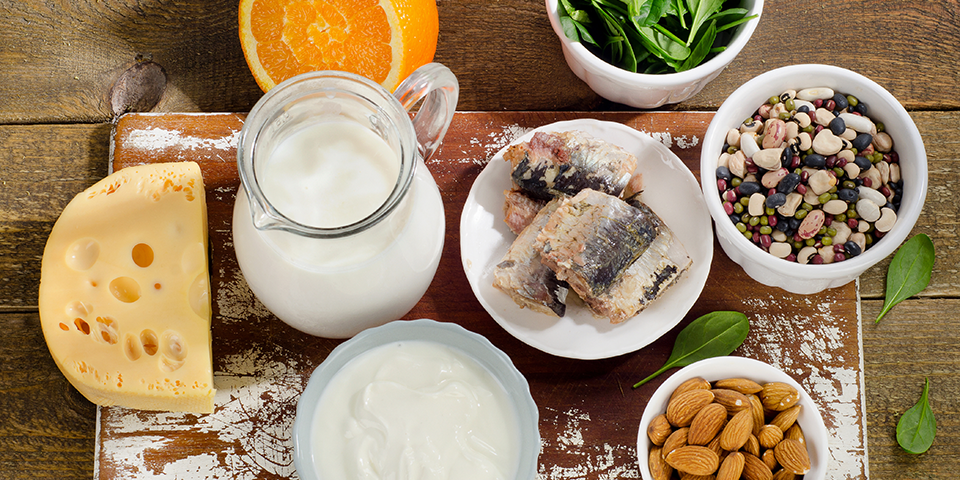
Good food sources include:
- Dairy like milk, yogurt, and cheese (low-fat options are fine).
- Leafy greens such as kale, broccoli, and spinach.
- Fish like salmon, sardines (with bones), and tuna.
- Fortified foods: Orange juice, cereals, and plant milks with added calcium and vitamin D.
- Nuts, beans, and eggs.

Vitamin D and Calcium | Johns Hopkins Medicine
If you can’t get enough from food, consider supplements—but talk to your doctor first. Also, get some sun: 15 minutes a day helps your body make vitamin D. In winter or if indoors a lot, a supplement might help.
Stay Active: Exercise for Bone Strength
Exercise makes bones stronger by putting stress on them, which tells your body to build more bone. Do weight-bearing and muscle-strengthening activities.
- Weight-Bearing Exercises: These make you work against gravity. Examples: Walking, jogging, dancing, hiking, or stair climbing. Aim for 30 minutes most days.
- Resistance Exercises: Use weights, bands, or your body weight. Try squats, lunges, push-ups, or lifting dumbbells 2-3 times a week.

Build bones with simple weight-bearing exercise | Shine365 from Marshfield Clinic
Balance exercises like yoga or tai chi help prevent falls, which can break weak bones. Start slow if you’re new to exercise, and check with a doctor if you have health issues.
Lifestyle Changes to Protect Your Bones
Small habits make a big difference:
- Quit Smoking: Smoking blocks calcium absorption and weakens bones.
- Limit Alcohol: Stick to moderate amounts—no more than 1 drink a day for women, 2 for men.
- Maintain a Healthy Weight: Being underweight hurts bones; aim for a BMI over 19.
- Prevent Falls: Keep your home safe—remove rugs, add grab bars, wear good shoes, and get your eyes checked.
If you have osteoporosis, treatments like medicines can help slow bone loss. But prevention is best.
When to See a Doctor
See your doctor if you have back pain, lose height, or break a bone easily. Get screened if you’re over 50 with risks. Early action can prevent problems.
Taking care of your bones now pays off later. Eat well, move more, and make smart choices. Strong bones mean a healthier, more active life! If worried, talk to your healthcare provider for personalized advice.
Discover more from Rawallian Community CareConnect
Subscribe to get the latest posts sent to your email.