
Balanced parental involvement supports cognitive, emotional, and social growth
Early childhood development is the most sensitive time in life. From birth till five or six years, child brain grow at fastest speed. Almost 90 percent of brain connections build in this period. Whatever child see, hear, and feel, it shape his thinking, behavior, and future learning. Parents are first teacher and first guide. In this journey, mother and father both have very special role.
Mother Role in Child Development
Mother is usually the closest person for small child. She feed, clean, and hold the baby many times in a day. This closeness give the child strong feeling of safety. Safety is foundation of brain growth. When child feel secure, he explore more and learn faster.
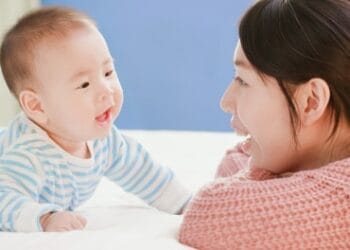
Mother soft touch, smile, and gentle talk make child calm. Emotional bond between mother and child build trust. Trust is first step of social skill. Child who feel loved by mother usually grow with better confidence.
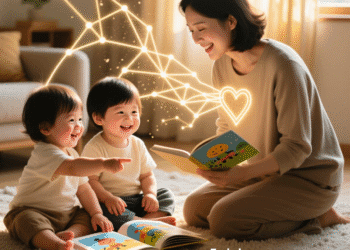
Mother is also main source of language learning. From day one, baby listen to mother voice. When mother sings lullaby, tell story, or explain daily task, baby learn new words. Even small things like saying, “This is water, this is bread,” give strong brain stimulation.
Mother also teach discipline in early way. She set routine for sleep, food, and play. This routine help child learn order and predictability, which reduce stress and make learning easier.
Father Role in Child Development
Father role sometimes ignored, but it is very important for full growth. Father usually play different than mother. His play is more active: running, jumping, throwing, lifting. These activities make child body strong, improve balance, and give courage.
Father also bring child to outside environment. Walk to park, market, shop, or visiting relatives, all give exposure. Exposure to outside world make child curious and social. Father also guide child in rules, limits, and discipline. His words often give authority, which child respect and follow.
Research show children with active father involvement have better problem-solving skills, less fear, and more self-control. Father is also role model, especially for boy child, showing how to behave with others. For girl child, father give sense of respect and value, which build self-esteem.
When Both Work Together
Best growth happen when both parents give time. Child see cooperation and love between mother and father. This become live lesson for him. Child learn how to share responsibility, how to respect, and how to support family.
When father help in daily care, like feeding or changing, child see that both genders can care. This break old stereotype and teach equality. When mother show respect for father, child copy same respect for adults.
Even if parents are busy in job, small daily time is enough. Just 10–15 minutes of play, reading book, or simple talk give big effect. Important is regularity and warmth.
Challenges and Pakistani Context
In many Pakistani homes, father spend less time with small child because of work pressure or culture idea that child care is only for mother. But research show child need both. Even few minutes of father attention daily can change brain and behavior outcome.
Mother in Pakistan also face challenge, like house work, joint family pressure, and limited awareness of ECD. Support from father and family reduce this burden and allow mother to give quality time to child.
Government and community can also guide parents with awareness programs. Mosques, schools, and health workers can explain why both mother and father are equally important in early years.
Conclusion
Early childhood is time of foundation. Mother give love, comfort, language, and emotional safety. Father give play, exposure, confidence, and discipline. When both join hands, child grow with balance mind, strong heart, and better social skill.
Parents are first school of child. Their love, time, and teamwork shape not only child’s future but also the future of society.
Discover more from Rawallian Community CareConnect
Subscribe to get the latest posts sent to your email.