- Connecting with Nonverbals
- Enhancing Communication for Nonverbals
- Sensory Sensitivities and Behaviours
- Sensory Play for Children with Autism
- Pre-academics
All of us observe our world with the help of our senses and it is a slightly different experience for each of us, even when we are using the same set of senses. For majority of the kids with autism, it is not same as it is for those for children with a neurotypical mind. For them, sounds can seem super loud, lights can feel really bright, or clothes can feel scratchy. Sometimes they act in a way to help bring calmness to their minds, like jump, spin, running around or fast pacing as it is a way of self regulation.
Melt downs ( more commonly considered tantrums) observed in children with autism are not about having bad or weird bahaviours. The way their sensory system works, it can make them feel scared and overwhelmed several times on a daily basis. So, they act differently to protect themselves or as a coping tool. Giving them space, being kind, or letting them use headphones or sensory pleasing toys can help them feel safe and happy, so they can learn in their own way and interact better.
Let’s explore this further to understand the differences in our sensory systems and why children with autism spectrum disorder feel and act so differently.
What “Sensory Sensitivities” means:
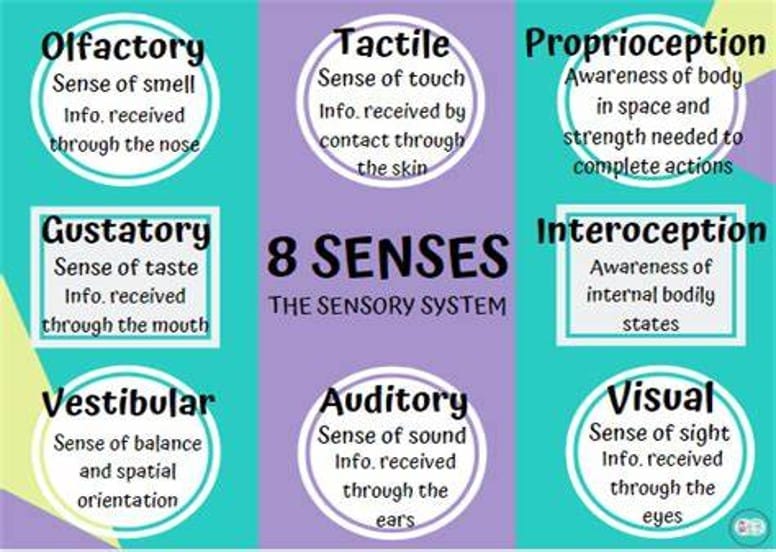
All of us take in information through our senses—sight, sound, touch, taste, smell, and also balance (vestibular) and body awareness (proprioception).
For many autistic children, the way their brains process these signals is different. Signals can feel too strong (over-sensitive) or too weak (under-sensitive) compared to what most people feel.
Over-sensitivity (hyper-sensitivity) examples:
- Sound: A normal classroom bell may feel like a fire alarm.
- Light: Fluorescent lights can look painfully bright or flicker.
- Touch: Clothing tags or light touches may feel scratchy or even painful.
- Smell/taste: Strong smells or certain food textures may be unbearable.
This can lead to covering ears, avoiding eye contact, or refusing certain clothes or foods—not “bad behaviour,” but self-protection.
Under-sensitivity (hypo-sensitivity) examples:
Some children barely register sensory input and seek more of it:
- Rocking, spinning, or jumping to feel movement.
- Touching everything or putting non-food items in the mouth.
- Turning up music or enjoying deep pressure hugs.
This isn’t mischief—it’s the child trying to get enough sensory feedback to feel comfortable.
Impact on daily life:
Sensory differences can affect learning, attention, social interactions, eating, and sleep. What looks like “meltdowns” or “withdrawal” is often the child’s nervous system being overwhelmed or under-stimulated.
How We as adults can Help:
- Observe triggers and patterns.
- Offer accommodations: quieter spaces, dimmer lights, soft clothing, or fidget toys.
- Prepare the child for changes or noisy events.
- Respect self-regulation strategies like wearing headphones or taking breaks.
Key Takeaway:
Sensory sensitivities are not “bad behaviour” but neurological differences. With understanding and support, an autistic child can feel safer, calmer, and more able to learn and interact.
Discover more from Rawallian Community CareConnect
Subscribe to get the latest posts sent to your email.