- Connecting with Nonverbals
- Enhancing Communication for Nonverbals
- Sensory Sensitivities and Behaviours
- Sensory Play for Children with Autism
- Pre-academics
A Guide for Caregivers and Therapists
Introduction
This guide shows a clear and simple way to help nonverbal children with Level 2 and 3 autism spectrum disorder communicate better. It shares steps used by an Autism consultant in real-life situations.
Step 1: The First Meeting
Meet the child at home, where they feel comfortable and bring along a variety of items, such as:
- 1. Sensory toys
- 2. Pictures of favourite things and characters (chosen after talking with the family)
- 3. Colourful letters, number, nursery rhymes, favourite character books
- 4. Building blocks, Lego, Drawing/sketching tools
- 5. Apps on an iPad or laptop that fit the child’s age and abilities
Set up these items in the room for the child to explore freely. Watch how the child interacts with the items, without asking them to do anything. This helps you see what interests the child, how they react, and what makes them feel safe.
Step 2: Understanding the Child’s Strengths
- Notice what the child likes: certain pictures, music, movement, or toys.
- Use these interests to plan activities and help the child learn.
- Teach the family how to use these strategies every day, so the child gets consistent support.
Step 3: Communication Tools and Methods
Communication is not just only about speech. If a child cannot speak, there are other ways to help them express themselves. These include:
- 1. Using simple gestures and words for everyday needs (like “Yes”, “No”, “More”, “Eat”, “Drink”, “Toilet”, “Play”, “Mom”, “Dad”). Start with gestures and introduce sign language.
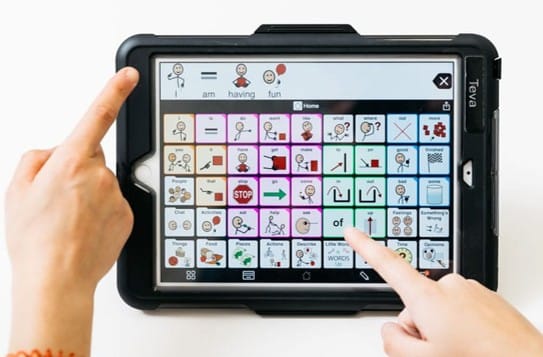
- 2. Using easy-to-use communication devices or apps that fit the child’s needs.
- 3. Showing real photographs instead of common symbols, for picture cards or boards.
- 4. Writing big words and adding small pictures to help children who prefer reading, understand the assciation.
- 5. Connecting objects with their names through hands-on activities.
These tools have helped my own child and many others with severe autism. They can show what they want or need through words, writing, typing, or digital tools.
Step 4: Building Daily Routines
To help a child use a new way to communicate, follow these routines:
- Practice using the tool together and give smiles or rewards when the child tries to communicate.
- Use the device when asking questions or making choices, so it becomes a regular part of life.
- Start using the device with family and teachers, then add more people as the child gets comfortable.
Step 5: Encouraging Progress
- Respond quickly and positively when the child communicates, like giving them what they ask for with their device or cards.
- Keep supporting and practicing every day.
- Over time, most children become more confident, happier, and better connected to people around them.
- This makes everyday life easier and more joyful for everyone involved.
Discover more from Rawallian Community CareConnect
Subscribe to get the latest posts sent to your email.