Understanding Safety Awareness Challenges and Strategies for Support
Introduction
Children with autism spectrum disorder (ASD) often experience unique challenges when it comes to understanding and responding to danger. Many parents, caregivers, and educators notice that children with autism may lack an instinctive sense of danger, making them more vulnerable to accidents and hazardous situations. This article explores why children with autism may not perceive danger in the same way as their typically developing peers and offers guidance on how to support their safety and well-being.
Why Do Children with Autism Have Reduced Danger Awareness?
Autism affects how individuals perceive and interact with the world around them. Difficulties with social communication, sensory processing, and executive functioning can contribute to a diminished sense of danger. Children with ASD may not recognize cues that signal risk, such as a busy street, a hot stove, or unfamiliar people. This can be due to:
- Sensory Processing Differences: Some children with autism may be under- or over-sensitive to sensory input, making it hard to notice warning signs like loud noises or visual signals.
- Impaired Social Understanding: Difficulty interpreting others’ facial expressions or tone of voice can mean missing out on non-verbal warnings.
- Rigidity and Routine: Children with ASD often thrive on routine, and unfamiliar scenarios can be confusing, leading to poor risk assessment.
- Impulsivity: Some children may act quickly without considering consequences, increasing the risk of accidents.
Common Safety Risks for Children with Autism
Because of these challenges, children with autism may be at a much higher risk for:
- Injuries at home, such as burns or cuts.
- Ingestion of harmful substances.
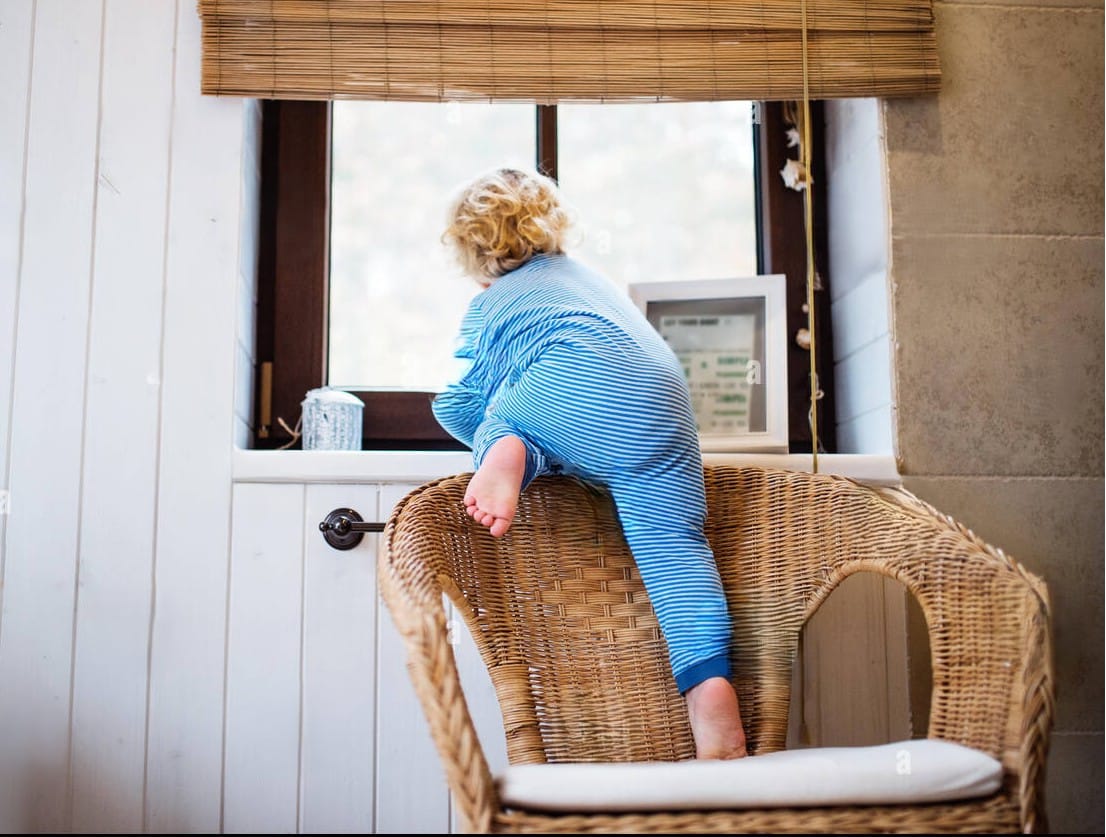
- Climbing on banisters, play structures, window sills and jumping off.
- Causing heavy unsecure furniture, like an entertainment unit to fall on them, by climbing.
- Wandering or elopement from safe environments like home/school.
- Traffic accidents
- Water accidents, drowning.
- Unsafe interactions with strangers.
Supporting Safety: Strategies for Caregivers and Educators
While the lack of danger awareness can be concerning, there are practical steps that caregivers and educators can take to help children with autism stay safe:
- Teach Safety Skills Explicitly: Use clear, concrete language and visual supports to teach safety rules (e.g., “Stop at the curb,” “Don’t touch the stove”). Role-playing and social stories can help reinforce these lessons.
- Use of visuals signs with simple words (STOP)(NO) as warnings and simplified picture sequence, social stories for explaining ‘WHY’ because of that action.
- Create Safe Environments: Childproof homes and classrooms, use locks and alarms where appropriate, and ensure supervision during risky activities.
- Use Technology: GPS trackers, safety apps, and wearable devices can help monitor wandering and alert caregivers if a child leaves a safe area.
- Collaborate with Professionals: Work with occupational therapists, behaviour analysts, and educators to develop individualized safety plans.
- Practice Emergency Drills: Regularly rehearse what to do in case of fire, earthquake, or other emergencies, using step-by-step instructions.
Conclusion
Children with autism may not always recognize or respond to danger, but with proactive education, environmental modifications, and collaborative support, their safety can be significantly enhanced. By understanding the reasons behind their challenges and implementing targeted strategies, families and communities can help children with ASD navigate the world more securely.
Discover more from Rawallian Community CareConnect
Subscribe to get the latest posts sent to your email.