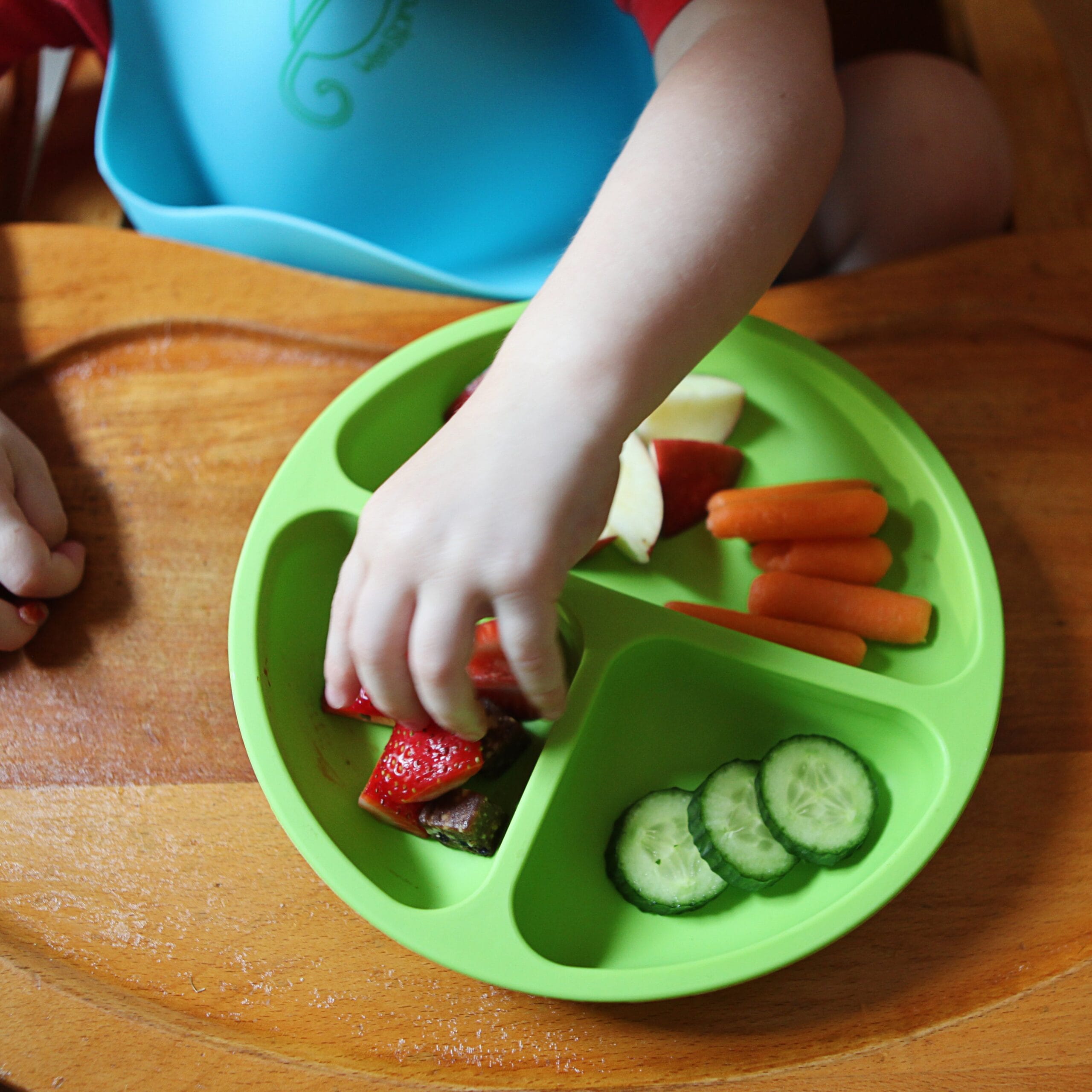
Strategies for Supporting Healthy Eating Habits
Introduction
Pica and poor nutritional food intake are common challenges faced by children with autism spectrum disorder (ASD).
Pica refers to the persistent eating of non-food items, such as dirt, paper, or hair, which can pose serious health risks.
Poor nutritional intake, on the other hand, may result from sensory sensitivities, rigid eating patterns, and food aversions, leading to deficiencies in essential nutrients. Addressing these issues requires a comprehensive, individualized approach that considers the unique needs of each child.
Understanding Pica and Its Risks
Pica is more than a behavioural concern—it can lead to choking, poisoning, intestinal blockages, and infections. The causes of pica in children with autism, include sensory seeking, nutritional deficiencies (such as iron or zinc), and environmental factors. Careful observation and documentation of pica behaviours are essential for developing effective interventions.
Recognizing Poor Nutritional Intake
Children with ASD may exhibit selective eating, refuse entire food groups, or eat only foods of specific textures, colours, or brands. In some cases, they can even go without any intake for a day or more, until their preferred food item is provided. This can result in inadequate intake of vitamins, minerals, protein, and fibre, affecting growth, development, and overall health. Common signs of poor nutrition include fatigue, gastrointestinal issues, and slow growth.
Strategies for Overcoming Pica
- Medical Evaluation: Consult a paediatrician to rule out underlying medical causes and assess for nutrient deficiencies.
- Environmental Controls: Remove access to non-food items. Supervise play and eating times, and child-proof spaces as needed.
- Behavioural Interventions: Work with a behavioural therapist to implement positive reinforcement for appropriate eating and redirection from non-food items.
- Address Sensory Needs: Provide safe sensory alternatives, such as chewable sticks, or rings which could be attached to the shirt, or textured toys, to satisfy oral sensory seeking.
- Monitor and Document: Keep a food and behaviour diary to identify patterns and triggers, aiding in targeted intervention planning.
Strategies for Improving Nutritional Intake
- Gradual Food Introduction: Introduce new foods slowly, pairing them with preferred items and using familiar presentation styles.
- Sensory-Based Approaches: Respect the child’s sensory preferences. Modify food texture, temperature, and appearance to increase acceptance.
- Pay attention to the textures of the preferred foods, crispy or hard vs soft and mushy. Salty, spicy, vs bland or sweet. Different flavours,
- Gradual modifications of the preferred foods, with a choice of trying just 1-2 bites at a time with social praise, will go a long way.
- Be mindful of their water and fluids intake also.
- Family Meals and Social Modelling: Encourage family meals where adults model healthy eating behaviours. Avoid pressure or negative comments about food.
- Involve the Child: Let the child help with meal planning, shopping, and preparation to increase interest in new foods.
- Nutritional Supplements: Consult a registered dietitian to assess the need for supplements if dietary intake remains insufficient.
- Professional Support: Engage occupational therapists, speech-language pathologists, or feeding specialists as needed for persistent feeding difficulties.
Promoting a Positive Mealtime Environment
- Maintain a consistent mealtime routine.
- Limit distractions such as screens or toys during meals.
- Offer praise for trying new foods, even in small amounts.
- Avoid forcing or bribing the child to eat; instead, focus on encouragement and patience.
Collaboration and Advocacy
Overcoming pica and poor nutrition in children with autism is a team effort. Parents, caregivers, educators, and healthcare professionals must collaborate closely. Advocacy for appropriate accommodations in schools and community settings can help ensure the child’s safety and nutritional well-being.
Conclusion
Effective management of pica and poor nutritional intake in children with autism relies on understanding the child’s individual needs, implementing tailored strategies, and seeking appropriate professional support. With patience, consistency, and collaboration, families can foster healthier eating habits and improve their child’s quality of life.
Discover more from Rawallian Community CareConnect
Subscribe to get the latest posts sent to your email.