
• About Us
  • Rules for Editors
  • How It Works
  • Terms of Use
  • Privacy Policy
  • Contribute
  • Contact Us
  • Login
  • Register
Rawallian Community CareConnect
  • Home
  • Categories
  • Ask Question
  • About Us
  • Contact
No Result
View All Result
  • Home
  • Categories
  • Ask Question
  • About Us
  • Contact
No Result
View All Result
Rawallian Community CareConnect
No Result
View All Result
  • About Us
  • Rules for Editors
  • How It Works
  • Terms of Use
  • Privacy Policy
  • Contribute
  • Contact Us
Home Early Childhood Development

A Guide to Nurturing Your Child’s Emotional and Mental Growth

rinciples of Responsive Caregiving: Enhancing Secure Attachment and Neurodevelopmental Outcomes in Early Infancy and Childhood

Mohammad Najeeb by Mohammad Najeeb
October 14, 2025
in Early Childhood Development
Reading Time: 5 mins read
1 0
A A
0
15
SHARES
34
VIEWS
Share on FacebookShare on Twitter

Responsive Caregiving for Early Childhood Development

Responsive caregiving is a way of looking after children where you pay close attention to what they need and respond in a kind, timely way. It’s like a back-and-forth dance between you and the child— they give signals, and you answer them. This approach helps kids feel safe, loved, and ready to learn about the world. Whether you’re a parent, grandparent, teacher, or babysitter, anyone can practice it. In this article, we’ll explain what it is, why it matters, all the key practices, and simple tips to make it part of your daily life. We’ll keep things easy to understand, so everyone can benefit.

What Is Responsive Caregiving?

Responsive caregiving means noticing a child’s cues—like cries, smiles, or gestures—and reacting in a way that meets their needs. For example, if a baby is fussing because they’re hungry, you feed them right away instead of ignoring it. It’s not just about basic needs like food or sleep; it’s also about emotions, play, and learning. Experts call this “serve and return”—the child “serves” a signal, and you “return” with a response, like talking back or hugging them. This builds trust and helps the child’s brain grow strong. It’s especially important in the early years, from birth to age 5, but it works for older kids too.

Think of it as tuning into the child’s world. Babies and toddlers can’t always use words, so they communicate through actions. Responsive caregivers act like detectives, figuring out what those actions mean and helping out. It’s different from strict routines or ignoring cries to “teach independence”—instead, it’s about being there when they need you.

Why Is Responsive Caregiving Important?

This style of caregiving has big benefits for kids and even for you as the caregiver. For children, it leads to secure attachment, which means they feel safe exploring because they know you’ll be there if things go wrong. It helps them learn to manage emotions, make friends, and think better. Studies show kids with responsive caregivers have fewer behavior problems, better language skills, and stronger immune systems. They grow up more confident and resilient.

For caregivers, it reduces stress because responding quickly often calms situations faster. It also strengthens your bond with the child, making caregiving more enjoyable. In places like childcare centers, it creates a positive environment for everyone. Overall, it’s a foundation for healthy development, helping prevent issues like anxiety or learning delays later in life.

All Important Practices in Responsive Caregiving

Here are the key practices that make responsive caregiving work. These come from experts and research, and you can start using them right away. We’ll explain each one simply.

  1. Observe Closely: Watch the child’s body language, sounds, and expressions. Notice subtle cues like rubbing eyes for tiredness or reaching out for comfort. This helps you understand what they need before it becomes a big problem.
  2. Respond Promptly: Act quickly when you see a cue. Don’t wait— a fast response shows the child their signals matter. For instance, pick up a crying baby within seconds to soothe them.
  3. Be Sensitive and Appropriate: Your response should fit the cue. If the child is scared, offer hugs and calm words, not distraction. Make it warm and loving, not rushed or angry.
  4. Engage in Back-and-Forth Interactions: Turn responses into conversations. If a baby coos, coo back. For toddlers, ask questions like “What do you see?” to keep the exchange going. This builds brain connections.
  5. Provide Emotional Support: Help kids name and handle feelings. Say things like “You look sad—want a hug?” This teaches emotional regulation and empathy.
  6. Encourage Exploration: Let the child try new things while staying nearby. Respond to their curiosity with enthusiasm, like “Great job stacking those blocks!” This boosts confidence and learning.
  7. Be Consistent: Respond the same way most times. Consistency helps the child predict and trust you, creating security.
  8. Individualize Your Approach: Every child is different. What works for one might not for another—tailor responses to their personality, age, and needs.
  9. Incorporate Play and Stimulation: Use play to respond. Sing songs, read books, or play peek-a-boo to stimulate senses and build bonds.
  10. Self-Care for Caregivers: Take care of your own needs so you can respond well. Tired or stressed caregivers might miss cues, so rest and seek support when needed.

Talking to babies: Face-to-face communication helps infants tune in
parentingscience.com
Face-to-face communication with a baby.

Tips for Putting Responsive Caregiving into Action

Starting can feel overwhelming, but small steps add up. Here are some everyday tips:

  • For Babies: Hold them skin-to-skin, mimic their sounds, and respond to cries with feeding, changing, or cuddling.
  • For Toddlers: Follow their lead in play. If they point to a toy, name it and hand it over while talking about it.
  • In Daily Routines: During meals, baths, or bedtime, chat about what you’re doing and watch for their reactions.
  • Avoid Distractions: Put away phones during interactions to focus fully on the child.
  • Learn from Mistakes: If you miss a cue, that’s okay—just try again next time.
  • Seek Help: Join parenting groups or talk to doctors for advice. Resources like books or apps can guide you.

If you’re in a group setting like daycare, train all staff to use these practices for consistent care.
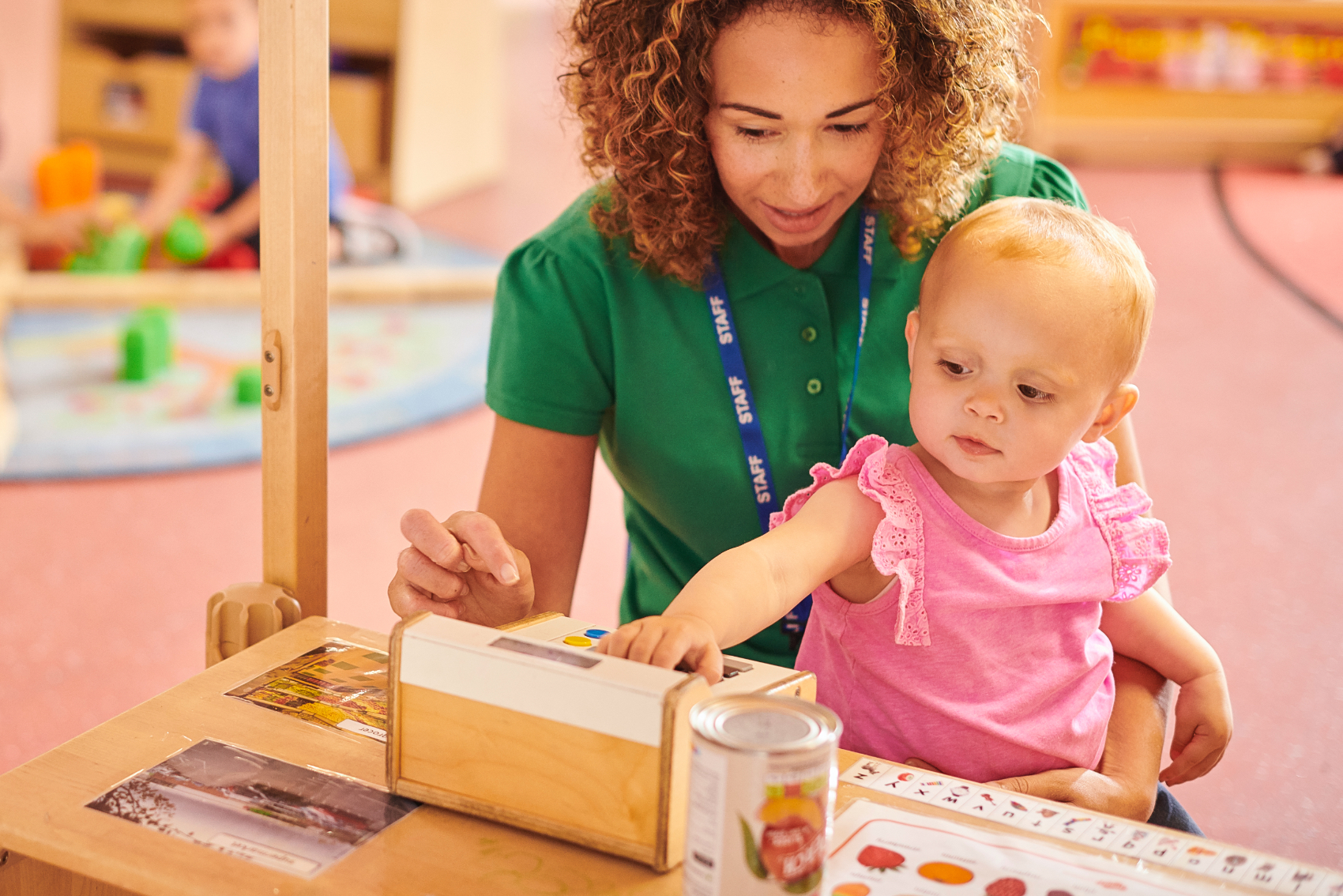
Responsive Relationships: Great for You and for Them - Teaching Strategies
teachingstrategies.com
Responsive relationships in action.

Challenges and How to Overcome Them

Sometimes, life gets in the way—busy schedules, stress, or cultural differences might make it hard. If you’re feeling overwhelmed, start with one practice, like observing cues for a day. Talk to friends or professionals for support. Remember, no one is perfect, but effort counts.

Responsive caregiving is a powerful tool for raising happy, healthy kids. By noticing and answering their needs, you help them thrive emotionally, socially, and mentally. It’s not about being a perfect caregiver—it’s about being present and caring. Start today, and you’ll see the difference in your child’s smiles and confidence. If you have questions, reach out to a pediatrician or trusted resource. Your actions now shape a brighter future!


Discover more from Rawallian Community CareConnect

Subscribe to get the latest posts sent to your email.

Tags: promoting self-esteem in childrenfostering resilience in childrenpositive parent-child relationshipparenting tips for mental growthbuilding child confidencechild psychological developmentparenting guide emotional healthchild mental developmentchildhood mental wellnesschild emotional well-beingsupporting child mental healthnurturing child emotional growthcreating a nurturing environmentnurturing child mental growthchild social emotional learningchild emotional developmenthealthy emotional habits for kidsraising emotionally healthy childrendevelopmental milestones emotionalbuilding secure attachment
Share14ShareTweet
Mohammad Najeeb

Mohammad Najeeb

As a result-driven public health physician with over 15 years of progressively responsible experience in maternal and child health, nutrition, and emergency programming, I have demonstrated exceptional proficiency in technical and operational support for program development and implementation. My expertise in program management, monitoring, and results delivery, coupled with my proficiency in cluster/sector management and partnership building, has allowed me to make significant contributions to the field of nutrition. I am well-versed in the areas of innovation, knowledge management, and capacity building, and have extensive experience in population-based nutrition and health assessments, as well as in the delivery community nutrition programmes at all levels. Furthermore, I possess strong interpersonal communication skills, swift management dexterity, and analytical thinking abilities, enabling me to make crucial decisions with ease. I am a highly motivated and compliant team performer, dedicated to achieving excellence in the field of public health

Related Posts

Seasonal Changes in Breast Milk Nutrients: How Weather Affects Moms and Babies in Farming Areas
Early Childhood Development

Seasonal Changes in Breast Milk Nutrients: How Weather Affects Moms and Babies in Farming Areas

January 22, 2026
30
Fathers’ Engagement in Early Learning
Early Childhood Development

Fathers’ Engagement in Early Learning

December 20, 2025
33
Malnutrition

10 Tips on Psychological Care for a Severely Malnourished Child

October 14, 2025
10
Early Childhood Development

Child Learning Through Daily Chores

October 1, 2025
10
Role of Mother and Father in Early Childhood Development
Early Childhood Development

Role of Mother and Father in Early Childhood Development

October 10, 2025
24
How Talking Help Child Brain Grow
Early Childhood Development

How Talking Help Child Brain Grow

October 1, 2025
14
Next Post

10 Tips on Psychological Care for a Severely Malnourished Child

Feeding Severely Malnourished Infants Aged Less Than 6 Months

Feeding Severely Malnourished Infants Aged Less Than 6 Months

Please login to join discussion

Ask our Experts!

Have questions about common health concerns like colds, allergies, nutrition, or sleep? Don’t guess—get clear, reliable advice from qualified medical professionals. Fill in the form below to Ask the Experts today!

Recent Articles

  • گردے کی ناکامی میں مبتلا مریض کی خوراک۔
  • Why Taking Iron Pills and Malaria Medicine During Pregnancy Matters for Baby’s Birth Weight
  • Seasonal Changes in Breast Milk Nutrients: How Weather Affects Moms and Babies in Farming Areas
  • Are antibiotics necessary in recent onset sore throat?
  • Understanding and Addressing Aggression in Autism

About Rawallian Community CareConnect

Rawailian Community CareConnect is dedicated to empowering caregivers with simple, practical, and compassionate health information in everyday language. We provide a free, bias-free platform where professionals share short articles, videos, and podcasts—under 10 minutes—on caregiving topics across medical specialties. Our goal is to make knowledge accessible, support diverse communities through multilingual translations, and foster connection via forums and expert advice, all while growing collaboratively with minimal resources.

Quick Links

  • About Us
  • Rules for Editors
  • How It Works
  • Terms of Use
  • Privacy Policy
  • Contribute
  • Contact Us

Top Posts & Pages

  • گردے کی ناکامی میں مبتلا مریض کی خوراک۔
  • Why Taking Iron Pills and Malaria Medicine During Pregnancy Matters for Baby’s Birth Weight
  • Seasonal Changes in Breast Milk Nutrients: How Weather Affects Moms and Babies in Farming Areas
  • Are antibiotics necessary in recent onset sore throat?
  • Understanding and Addressing Aggression in Autism
  • شوگر اور پاکستانی غذا
  • Fathers’ Engagement in Early Learning
  • لاہور، سموگ اور فلو ۔ احتیاط اور علاج
  • SMOG & HEALTH
  • Why Autism Diagnosis Takes Time

Find by Categories

  • Autism Spectrum Disorder (11)
  • Cardio (4)
  • Disease (3)
  • Ear & Nose (1)
  • Early Childhood Development (7)
  • Emergency Care (1)
  • Gastroenterology (4)
  • Gynae (1)
  • Health (8)
  • Malnutrition (7)
  • Maternal & Infant (1)
  • Medicine (4)
  • Nutrition (10)
  • Ortho (2)
  • Paediatric (7)
  • Psychiatry (3)
  • Public Health (5)
  • Uncategorized (1)
  • About Us
  • Rules for Editors
  • How It Works
  • Terms of Use
  • Privacy Policy
  • Contribute
  • Contact Us

© 2025 Rawallian Community CareConnect

Welcome Back!

Sign In with Facebook
Sign In with Google
OR

Login to your account below

Forgotten Password? Sign Up

Create New Account!

Sign Up with Facebook
Sign Up with Google
OR

Fill the forms below to register

All fields are required. Log In

Retrieve your password

Please enter your username or email address to reset your password.

Log In

Add New Playlist

No Result
View All Result
  • Home
  • Rules and SOPs for Editors
  • Categories
  • About Us
  • My account
  • Contact
  • Login
  • Sign Up

© 2025 Rawallian Community CareConnect